Upanayana Sanskara (Yajnopavit)
Upanayana Sanskara (Yajnopavit)
Sacred Thread Ceremony
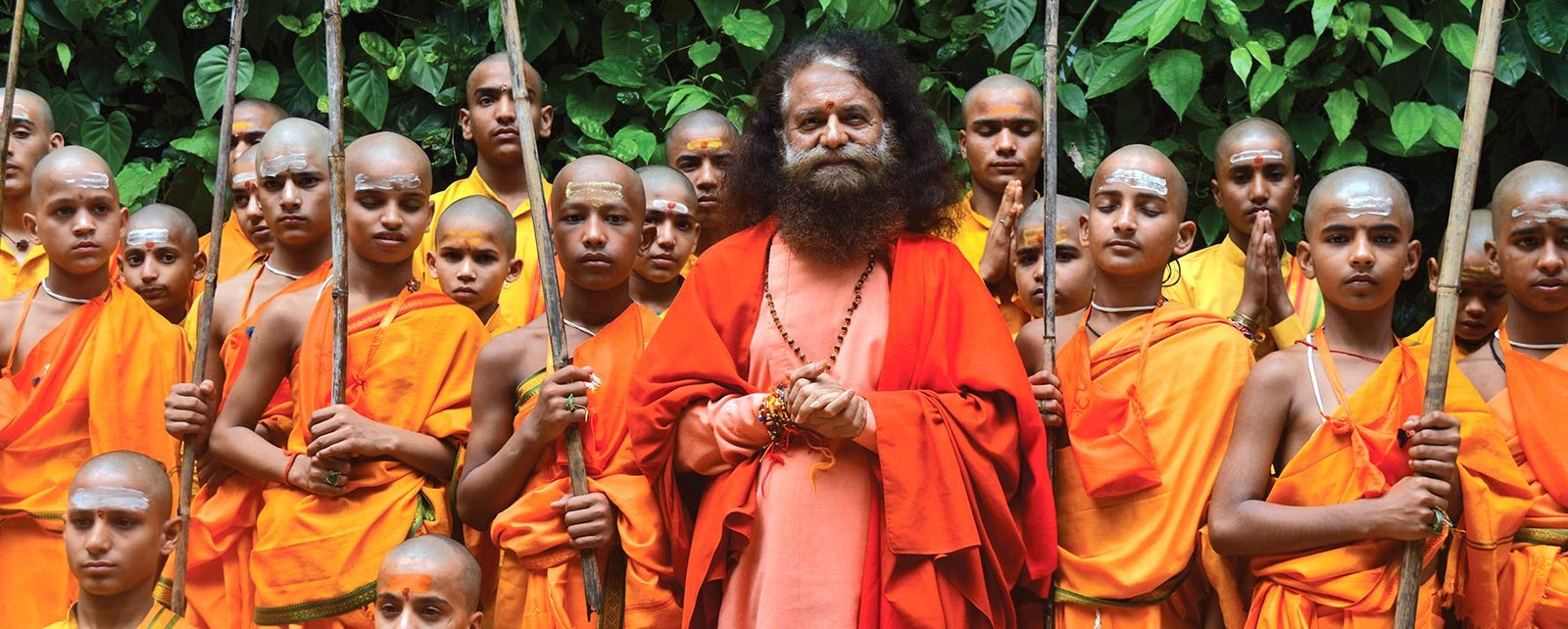
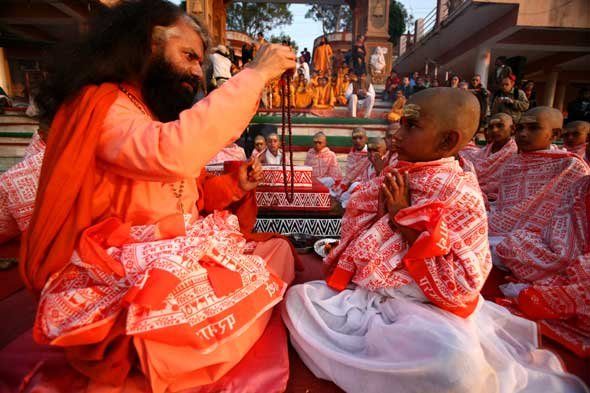
Upanayana Sanskara, also known as the Sacred Thread Ceremony, is an important initiation ritual that marks a child’s transition from early childhood into a life of learning, discipline, and spiritual growth. Through this ceremony, the child is formally introduced to the study of the sacred Vedas and begins a deeper journey of education and self-development. Traditionally, the ritual is performed around the age of eight, although it may take place anytime between five and twelve years of age and is considered one of the most significant sanskaras of childhood.
The word Upanayana means “to bring near,” symbolizing the child being brought closer to the Guru and the path of knowledge. In ancient times, the child would begin life as a brahmachari, dedicating himself to study, self-discipline, and spiritual practice under the guidance of a teacher.
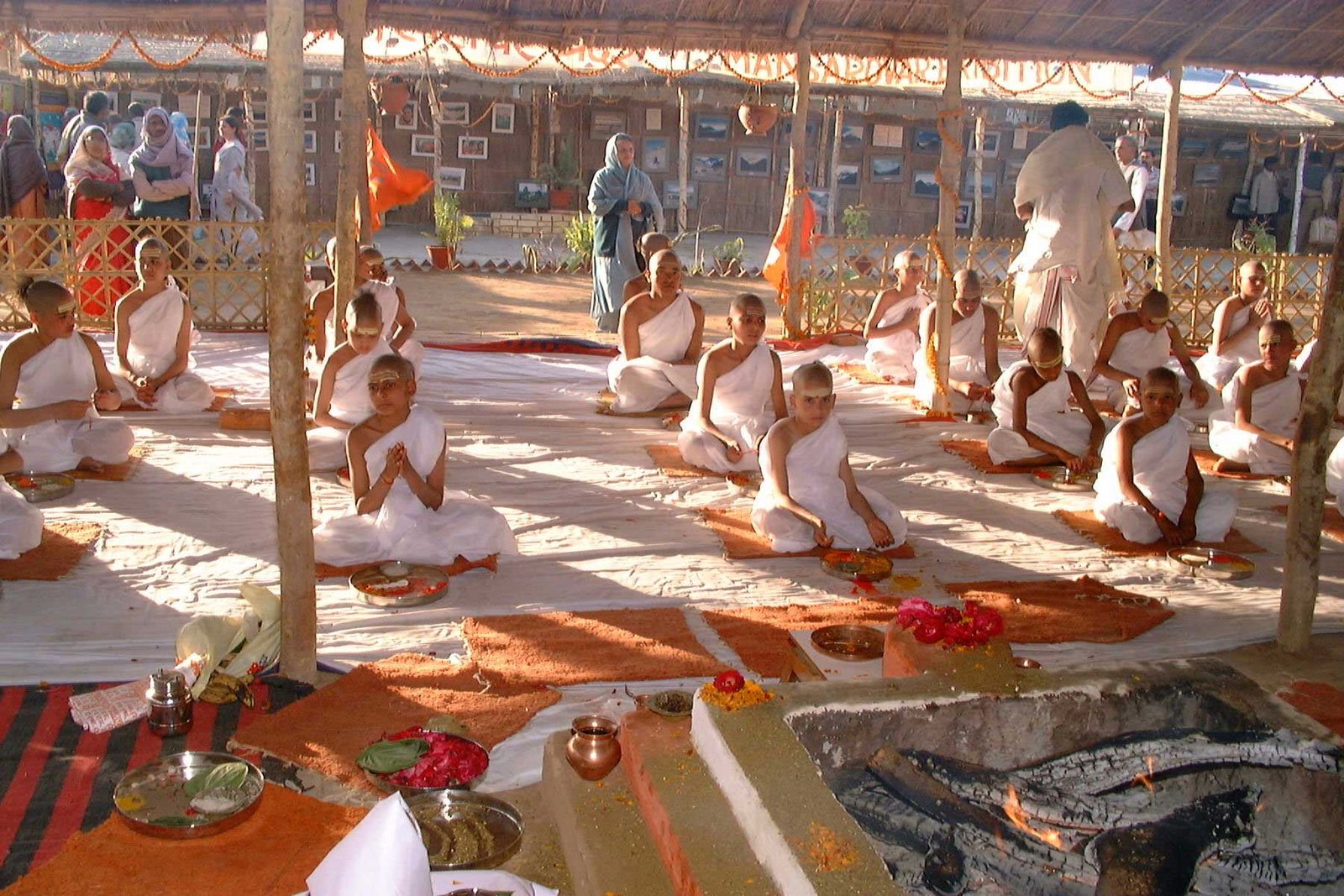
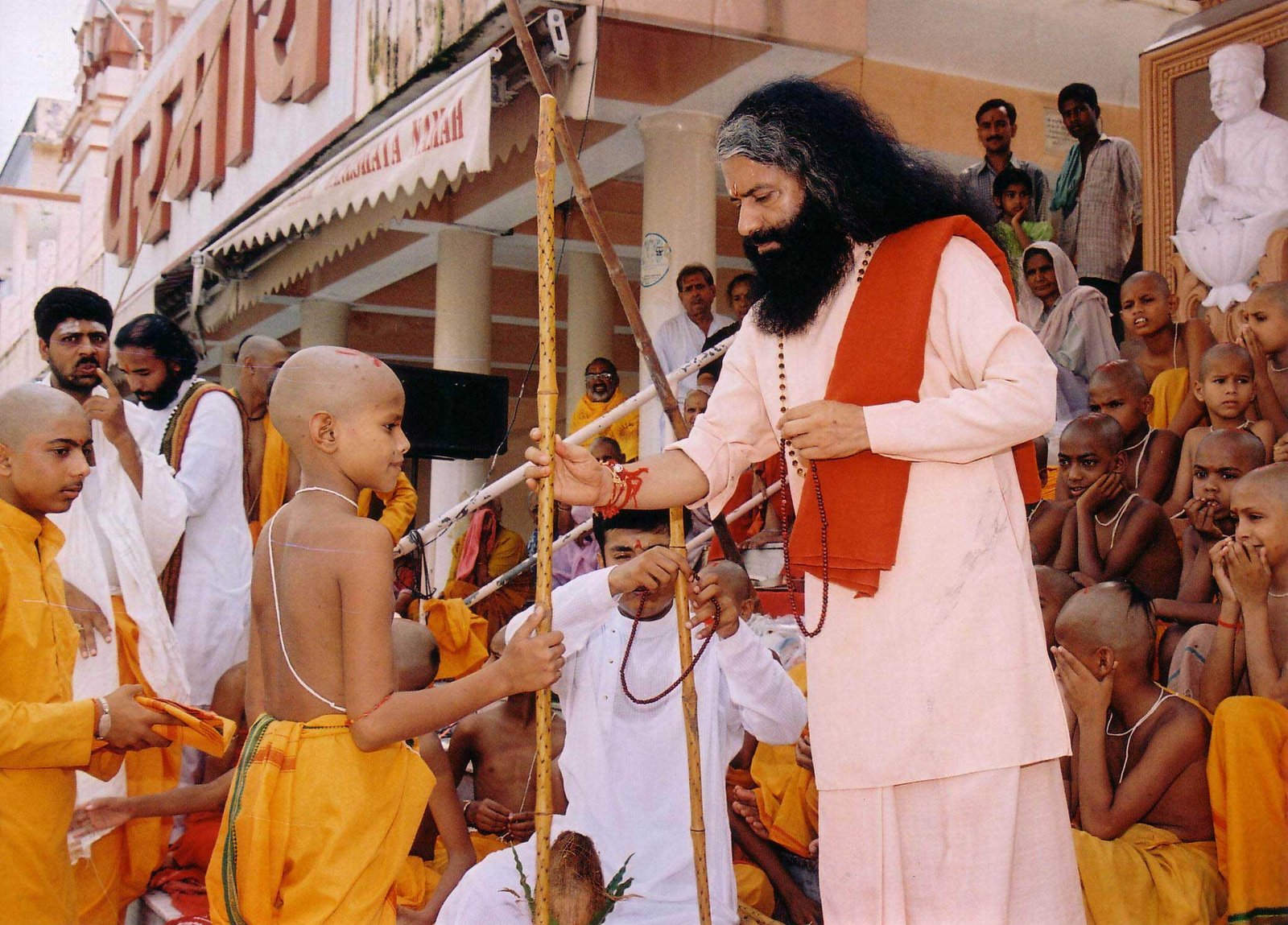
During the ceremony, the sacred thread (janoi) is placed across the child’s shoulder, representing purity, responsibility, and spiritual awareness. Its three strands symbolize the three gunas — sattva, rajas, and tamas — and remind the wearer to rise above these qualities. They also represent the three sacred debts owed to sages, ancestors, and the Divine. The knot, known as the Brahmagranthi, signifies the unity of Brahma, Vishnu, and Shiva.
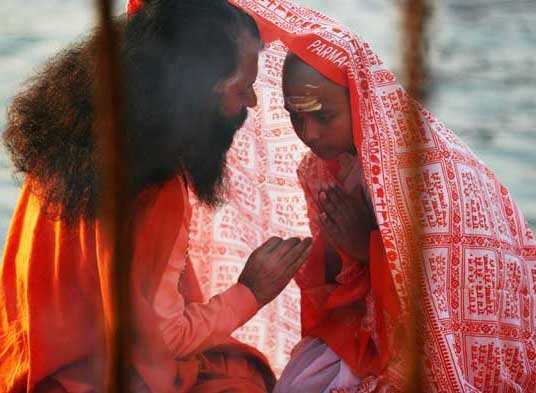
At Parmarth Niketan, this sacred ceremony is regularly performed on the holy banks of Mother Ganga by trained priests, acharyas, and rishikumars. The ritual concludes with the sacred Gayatri Mantra being lovingly whispered into the child’s ear, marking the beginning of a new spiritual journey.