History of the Ashram
History and Spiritual Legacy of Parmarth Niketan
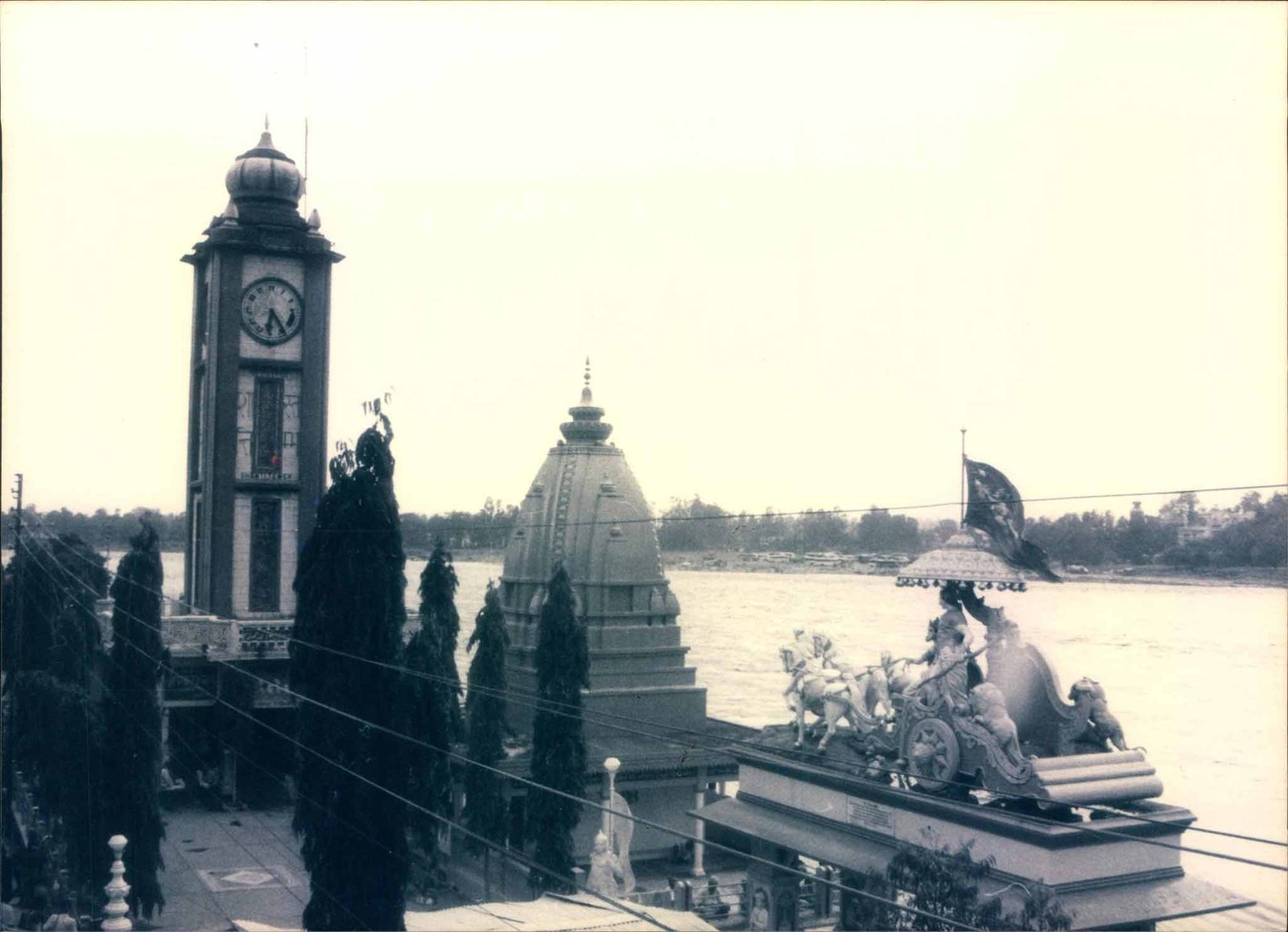
Rishikesh is widely revered as the sacred abode of sages and seekers, often called the “land of the rishis.” The name Hrishikesh is associated with Lord Vishnu, symbolizing the “Lord of the Senses.”
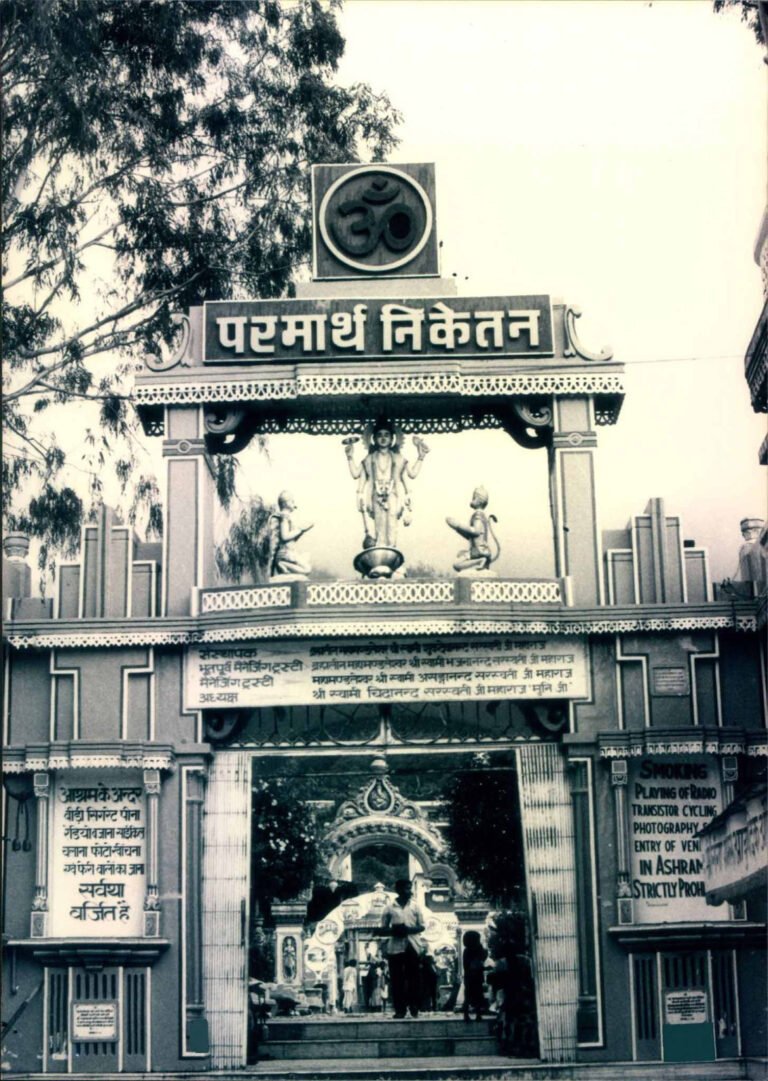
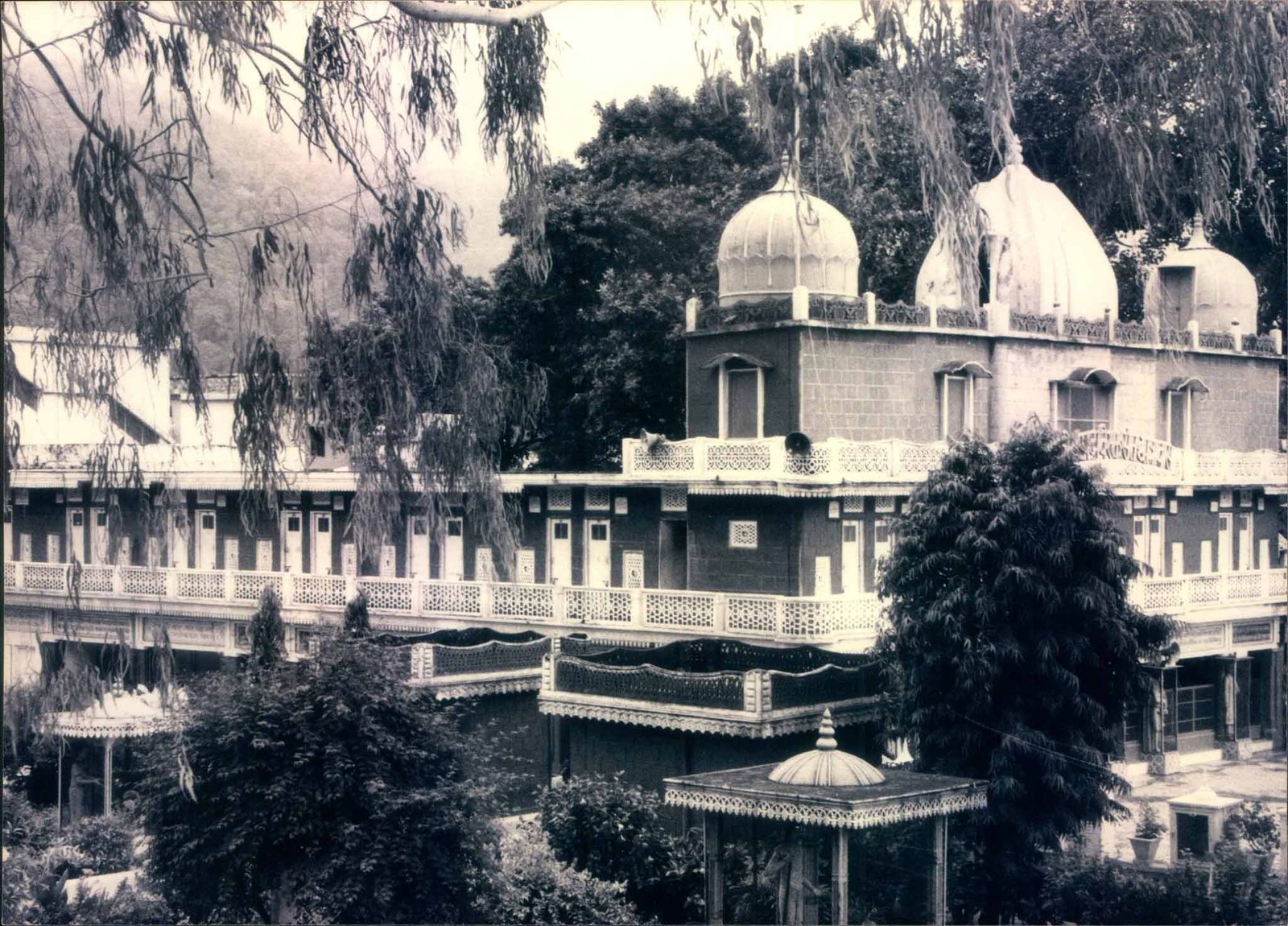
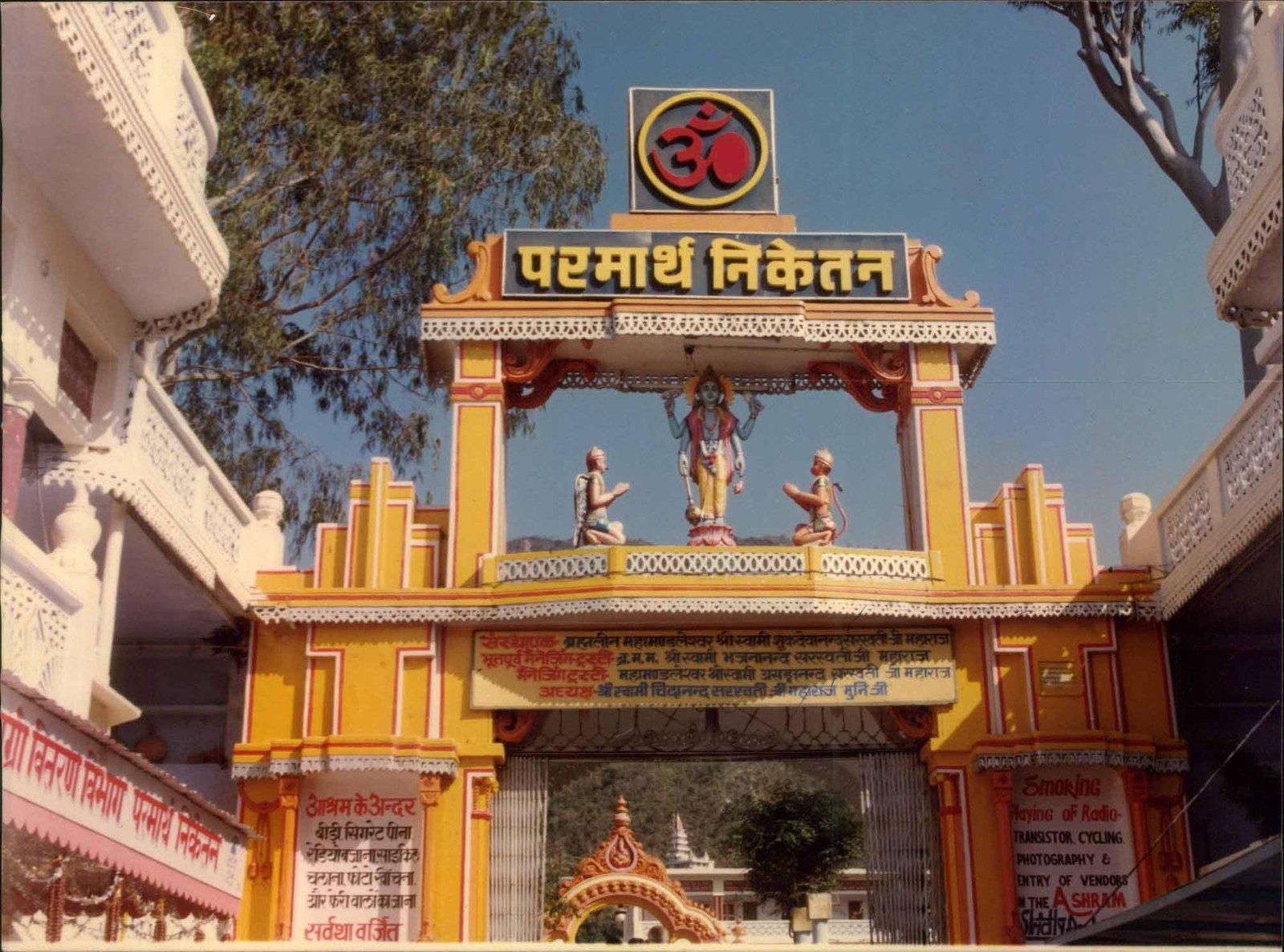
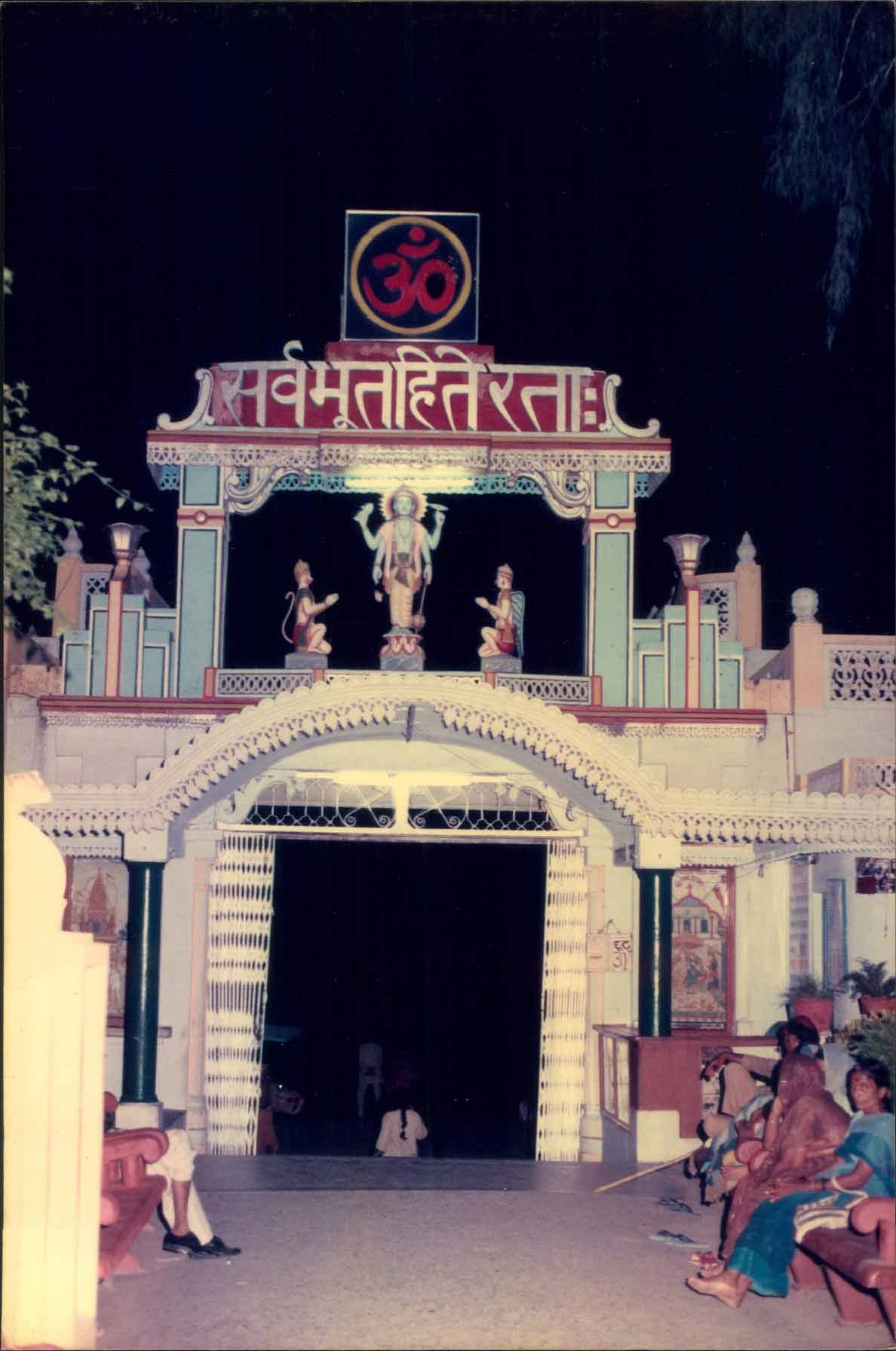
In the early 1940s, a revered saint from Shahjahanpur, Uttar Pradesh, Pujya Swami Shukdevanandji, was drawn to the sacred banks of the Ganga in Rishikesh for deep meditation and spiritual practice. What began as a humble retreat gradually took shape as he created a small dwelling for himself and Pujya Swami Bhajananandji. Over time, as seekers gathered to receive spiritual guidance and wisdom, the ashram expanded to include additional rooms, a satsang hall, and a bhojanalaya (dining hall). Swami Shukdevanandji named this growing sanctuary “Parmarth Niketan,” meaning an abode devoted to the welfare and upliftment of all. His life reflected not only personal spiritual discipline but also a profound commitment to serving humanity, guiding both the physically and spiritually needy toward light and transformation.
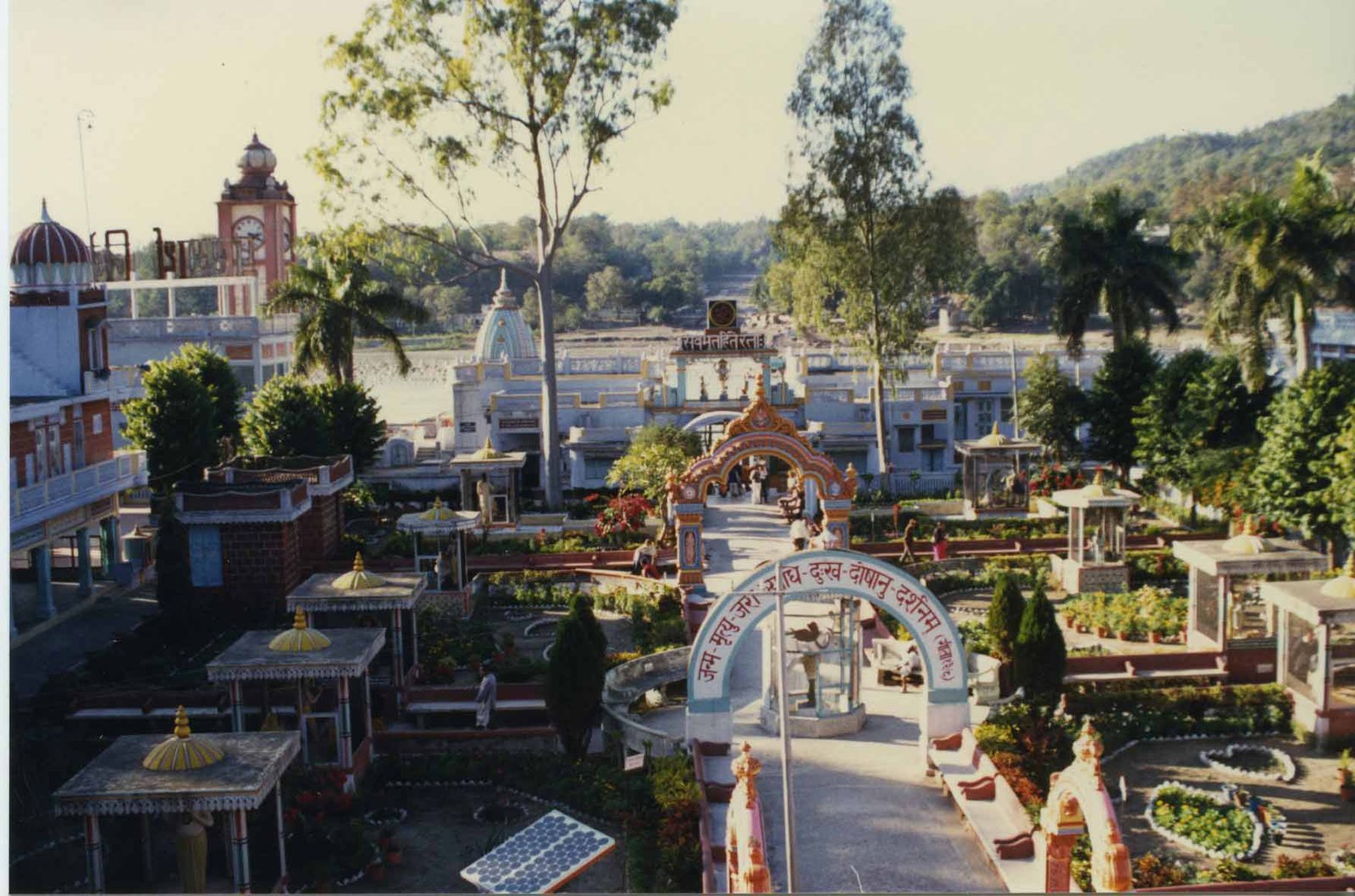
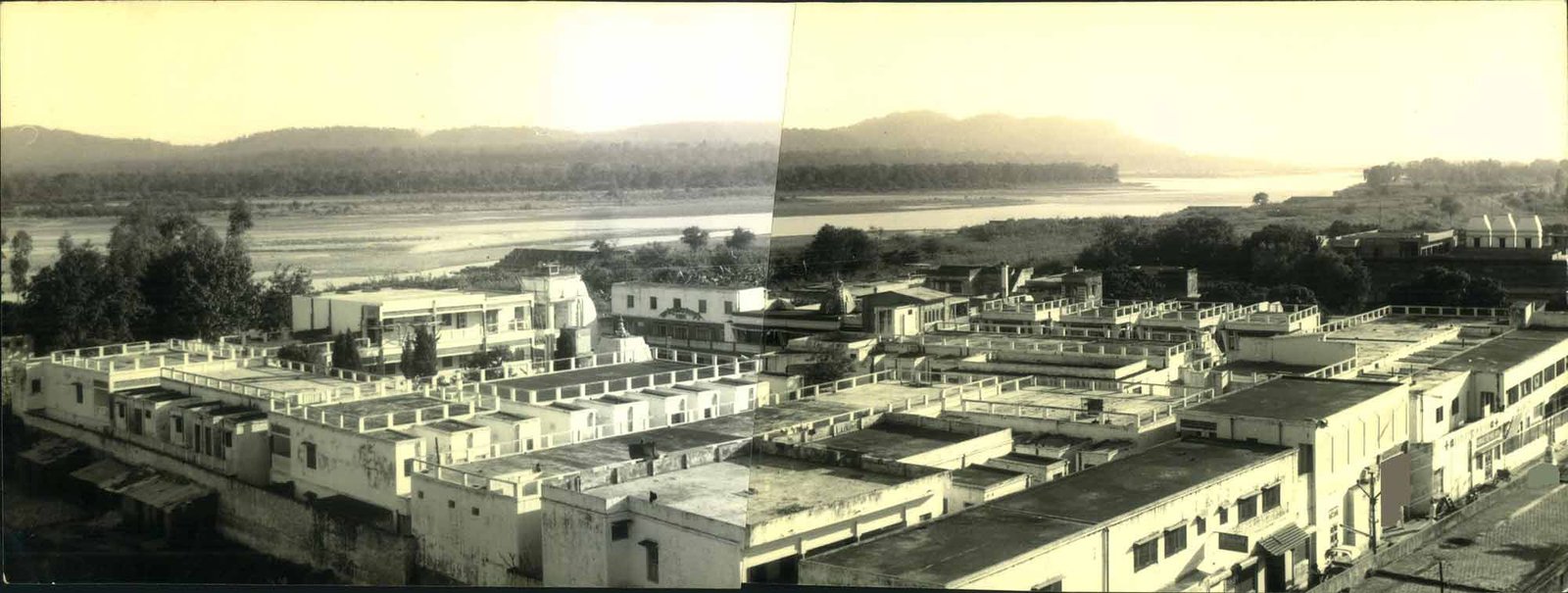
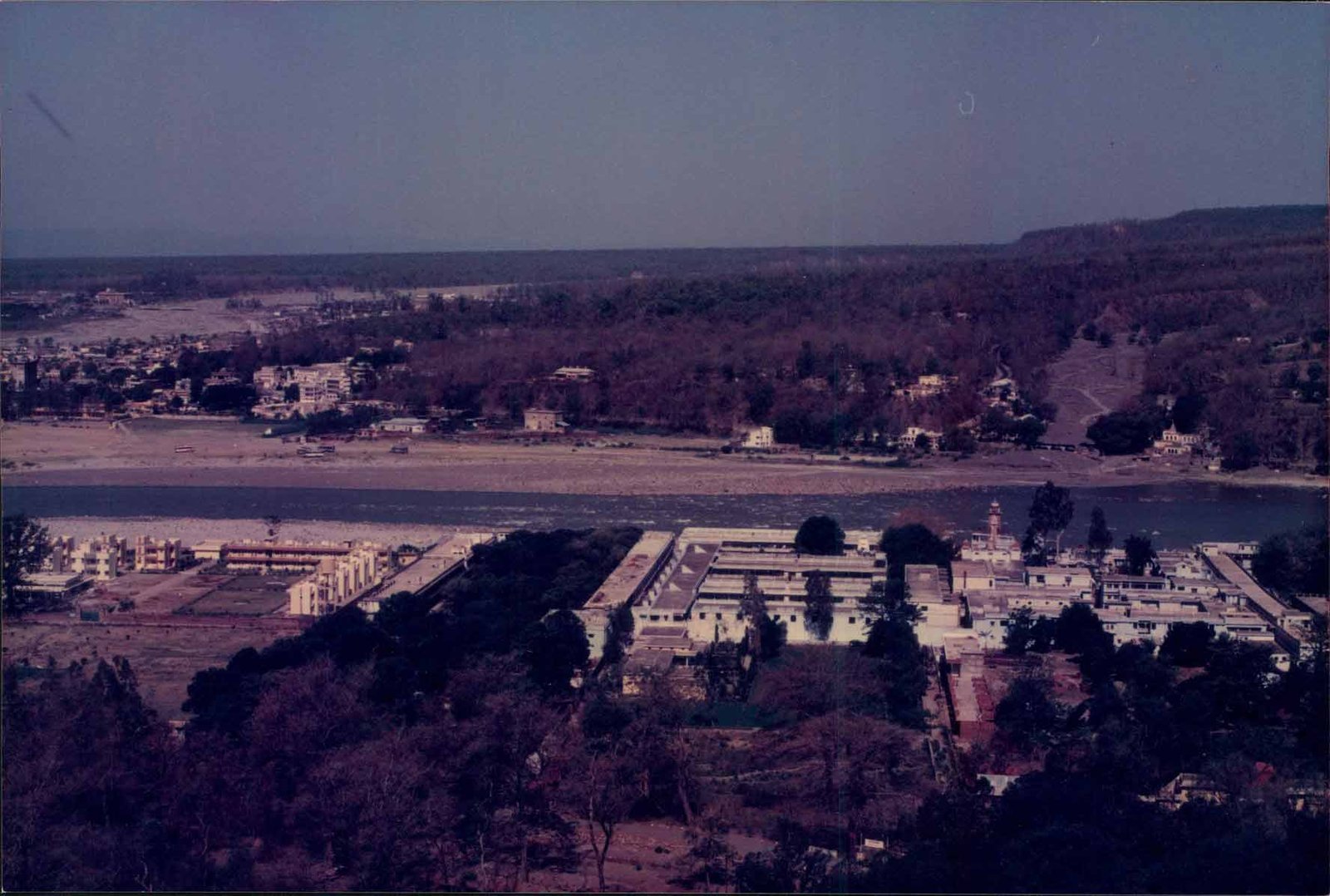
Over the decades, Parmarth Niketan has flourished into the largest ashram in Rishikesh and one of India’s most prominent spiritual institutions. Renowned worldwide as a center of peace, inspiration, and spiritual learning, it welcomes people from diverse backgrounds and cultures. Throughout the year, seekers, pilgrims, and travelers arrive to experience its serene atmosphere and spiritual energy, nestled on the sacred banks of the Ganga in the Himalayan foothills, within the revered Swargashram area — often referred to as the “Heavenly Abode.”